FAQs on Intracytoplasmic Sperm Injection
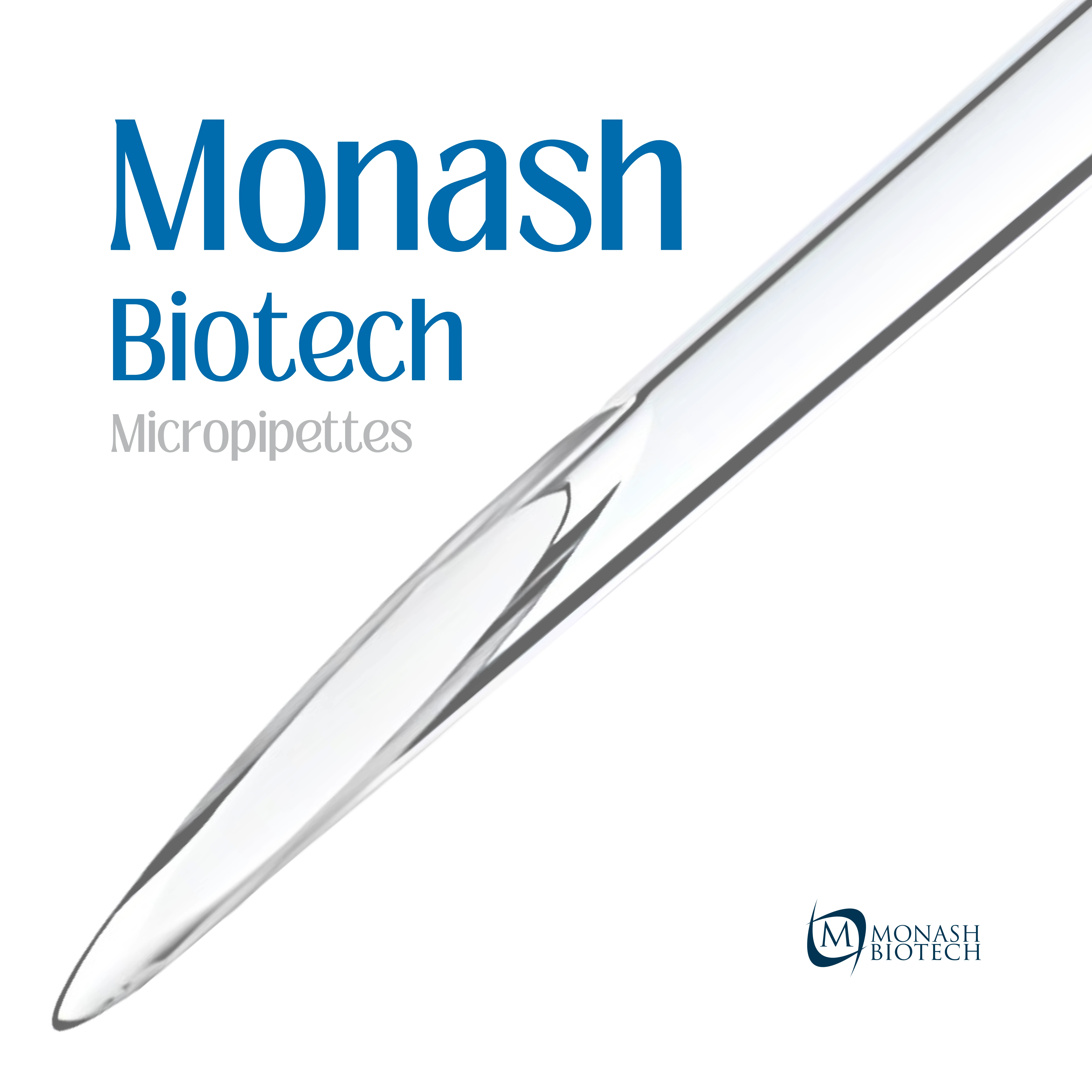
Intracytoplasmic Sperm Injection
What Is ICSI Treatment ?
ICSI, or Intracytoplasmic Sperm Injection, is a specialized form of in vitro fertilization (IVF) designed to help couples with severe male infertility issues. In this procedure, a single sperm is injected directly into an egg to facilitate fertilization. This technique is particularly useful when there are problems related to the sperm's ability to fertilize the egg naturally, such as low sperm count, poor sperm mobility, or abnormal sperm shape. By bypassing the natural fertilization process, ICSI can significantly increase the chances of fertilization, even in cases where other methods of assisted reproduction have failed. This method not only improves fertilization rates but also allows many couples with challenging infertility issues to conceive a child genetically related to both parents.
What Is Intracytoplasmic Sperm Injection ( ICSI ) Cycle ?
An intracytoplasmic sperm injection (ICSI) cycle is a specialized form of in vitro fertilization (IVF) designed to help couples overcome severe male infertility issues. Here’s how the ICSI cycle typically unfolds: Ovarian Stimulation: Just like in a regular IVF cycle, the female partner is given hormone injections to stimulate her ovaries to produce multiple eggs. Egg Retrieval: Once the eggs mature, they are retrieved from the ovaries in a minor surgical procedure known as follicular aspiration. Sperm Collection: Sperm is collected through ejaculation or, in cases where this isn’t possible (due to azoospermia, for instance), directly from the testicles or epididymis via surgical extraction. Micromanipulation: In the ICSI procedure, a single sperm is picked up with a fine glass needle and is injected directly into the cytoplasm of the egg. This is different from conventional IVF, where many sperm are placed near the egg in a dish and one fertilizes the egg naturally. Fertilization Check: The eggs are checked for fertilization after about 18 to 24 hours. A successful fertilization is indicated by the presence of two pronuclei. Embryo Culture: The fertilized eggs, now embryos, are allowed to grow in the laboratory for several days. During this time, they are monitored to select the most viable ones for transfer. Embryo Transfer: One or more embryos are transferred to the uterus. If they implant in the uterine lining, pregnancy begins. Pregnancy Test: About two weeks after the embryo transfer, a pregnancy test is conducted to determine if the cycle has been successful. ICSI is particularly beneficial for men with very low sperm counts, poor sperm motility, or sperm that lack the ability to penetrate an egg naturally. For more information, visit our comprehensive guide on In vitro fertilization (IVF) Journey.
FAQ Categories
Click on Your Topic to get answers


Got more questions?
Visit our full FAQ Page for in-depth answers or reach out to our Customer Support team.

Change Language
 English (India)
 عربي (Arabic)
 Deutsch (German)
 Español (Spanish)
 Français (French)
 Русский (Russian)
 中文 (Chinese)
Our Products
Blastomere Biopsy Micropipettes
Polar Body Biopsy Micropipettes

Genesis Disposables
Support
Please note that the 3D models displayed on this website are for illustrative purposes only. Actual product dimensions, colors, and finishes may vary.
© 2026 Monash Biotech Pvt. Ltd.. All Rights Reserved.
Designed & Developed by Goafreet Company