
FAQs on Polar Body Biopsy FAQs
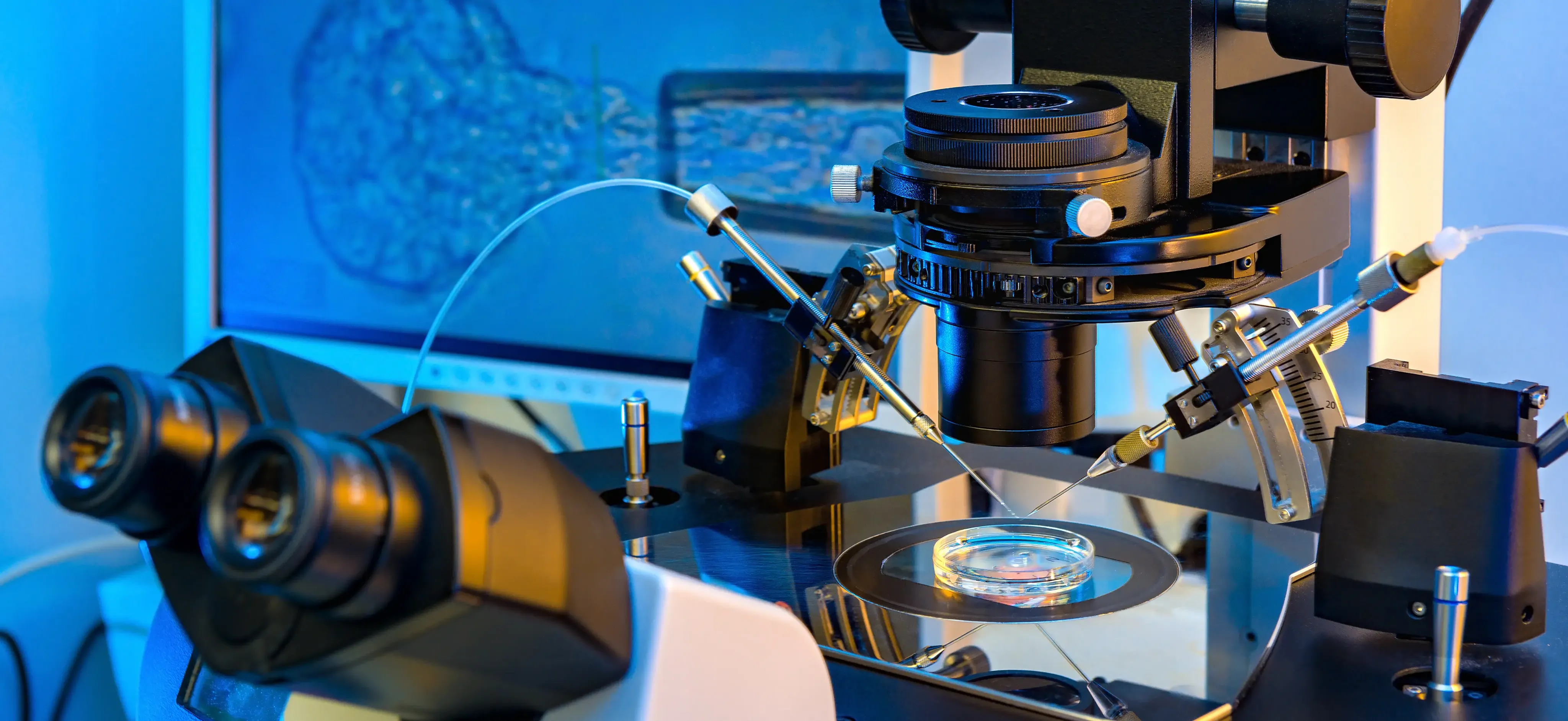
Polar Body Biopsy FAQs
Can Polar Body Biopsy results be wrong?
While highly accurate, results can be affected by: Mosaicism (genetic variations between cells). Technical errors in testing or biopsy technique. The presence of normal and abnormal eggs in the same cycle.
Can a Polar Body Biopsy harm the egg ?
Polar Body Biopsy is considered minimally invasive and does not affect fertilization potential. However, improper technique or poor-quality micropipettes can damage the egg, reducing the chances of successful IVF.
Does Polar Body Biopsy detect all genetic issues ?
No. Since it only examines maternal DNA, it cannot detect paternal genetic disorders or post-fertilization chromosomal errors.
Does Polar Body Biopsy increase IVF success rates ?
Yes! By selecting genetically normal eggs, implantation rates improve, and the risk of miscarriage decreases.
How is a Polar Body Biopsy performed ?
🔬 The procedure involves: 1️⃣ Using a micropipette (biopsy needle) under a high-powered microscope. 2️⃣ Creating a tiny opening in the egg’s outer shell (zona pellucida). 3️⃣ Gently aspirating the polar body without harming the egg. 4️⃣ Sending the extracted polar body for genetic testing.
How long do Polar Body Biopsy results take ?
Results are usually available within 24-72 hours, allowing embryo selection for fresh or frozen transfer.
How to avoid dislodging the polar body ?
Entry Site Selection: Inject on the opposite side of the first polar body Minimal Suction: Use just enough negative pressure to hold the oocyte Steady Handling: Immobilize the dish before aspiration to prevent jarring
Is Polar Body Biopsy better than Embryo Biopsy ?
It depends on the case: Polar Body Biopsy (Pre-Fertilization): Less invasive but only screens maternal genes. Embryo Biopsy (Blastomere or Trophectoderm): More comprehensive but slightly riskier.
What are the inner diameter options for Monash Biotech's Polar Body Biopsy Micropipettes ?
Monash Biotech's Polar Body Biopsy Micropipette is available with a 15µm inner diameter.
What is a Polar Body Biopsy ?
A Polar Body Biopsy is a procedure where the polar body (a small cell naturally expelled from the egg during maturation) is extracted and tested for genetic abnormalities. It is commonly used in Preimplantation Genetic Testing for Aneuploidy (PGT-A) and Preimplantation Genetic Testing for Monogenic Disorders (PGT-M) before fertilization in IVF.
What is the taper length of Monash Biotech's Polar Body Biopsy Micropipette ?
The taper length of our Polar Body Biopsy Micropipette is 600 micrometers.
Which angles are available in the Polar Body Biopsy Micropipette ?
Our Polar Body Biopsy Micropipettes are available in angles ranging from 15° to 45°, as well as 0° (straight) degrees
Who should consider a Polar Body Biopsy ?
✅ Women above 35 years old undergoing IVF. ✅ Those with a history of miscarriages or failed IVF cycles. ✅ Couples at risk of inheritable genetic diseases.
Why is a Polar Body Biopsy done ?
Polar Body Biopsy is performed to: ✔ Screen for chromosomal abnormalities before fertilization. ✔ Detect genetic disorders passed from the mother. ✔ Reduce the risk of miscarriage by selecting healthy eggs. ✔ Help older women (35+) in IVF cycles to improve pregnancy success rates.
Why is embryo adhesion to the pipette tip happening, and how to resolve it ?
Common Causes: Static charge build-up on the pipette Suboptimal viscosity or composition of handling media Rough or unpolished pipette tips Solutions: Switch to anti-static-treated or fire-polished micropipettes Use media with proper protein concentration (e.g., HSA or BSA) Briefly rinse the embryo with fresh media if sticking is noticed Maintain consistent humidity and avoid plastic-on-plastic friction
FAQ Categories
Click on Your Topic to get answers


Got more questions?
Visit our full FAQ Page for in-depth answers or reach out to our Customer Support team.